
Same-Day AC and Heating Repair in Houston: What to Expect
Same-Day AC and Heating Repair in Houston: What to Expect and How to Prepare
Houston's summer heat index regularly climbs above 105°F, which means an air conditioner that stops working at noon can push indoor temps to dangerous levels before dinner. That cause-and-effect relationship is exactly why same-day HVAC repair exists — not as a marketing promise, but as a practical response to a city where climate conditions turn a broken system into a health risk within hours. The same urgency applies in winter, when a rare Houston freeze can leave a home without heat overnight.
Why Same-Day HVAC Repair Matters More in Houston Than Almost Anywhere Else
Houston's combination of extreme heat, high humidity, and unpredictable winter freezes makes a failed system dangerous faster than in most U.S. cities — not just uncomfortable.
In July and August, average highs sit between 94 and 96°F, and humidity averages 75 to 90 percent. That moisture makes heat far more physically stressful and also accelerates wear on AC components like capacitors and condenser coils. Elderly residents, young children, and pets are especially vulnerable when indoor temps rise unchecked.
Houston winters are mild on average, but hard freezes do occur — the 2021 freeze event reminded the region how quickly an unexpected heating failure becomes a crisis. A broken furnace at 28°F is just as urgent as a broken AC at 100°F, and same-day heating repair is available year-round for exactly that reason. Poor home insulation can make either situation escalate faster, since conditioned air escapes quickly when the system goes down.
What Actually Qualifies as a Same-Day HVAC Call?
A same-day call means a technician is dispatched within the same business day you call — typically within a 2-to-6-hour arrival window depending on demand and your ZIP code.
Scenarios that qualify: complete AC or heating failure, no airflow from vents, the system short-cycling (turning on and off rapidly), indoor temps already at unsafe levels, or any burning or electrical smell coming from the unit. These are genuine HVAC emergencies that need attention the same day.
Scenarios that may still get a same-day slot but are lower urgency: minor performance drops where the system still runs, a clogged filter you can swap yourself, or a thermostat displaying odd readings but the system still conditioning the air. Knowing which bucket your problem falls into helps you describe symptoms accurately when you call, which speeds up dispatch routing.
How the Same-Day Dispatch Process Works
When you call, the dispatcher will ask for your address, system brand and approximate age, current thermostat reading versus the temperature you actually feel, and a description of symptoms. Having this ready cuts intake time significantly.
Routing works by matching the next available technician to your ZIP code, so callers in high-demand periods — like the first heat wave of May or June, or the day after a freeze — may see the upper end of that 2-to-6-hour window. Calling early in the morning gives you the best chance at an earlier slot, since afternoon calls compete with jobs already in progress. Same-day service is also available on weekends and holidays, not just standard business hours.
Technicians carry stock of the most common same-day fixable parts: capacitors, contactors, igniters, thermostats, and drain line clearing tools. A capacitor or contactor failure — two of the most frequent AC breakdowns — can often be resolved in a single visit without a return trip. If a refrigerant recharge is needed, that is handled on-site as well.
What to Do Before the Technician Arrives
Preparing a few pieces of information before the tech pulls up can shorten the diagnostic phase and get your system running faster.
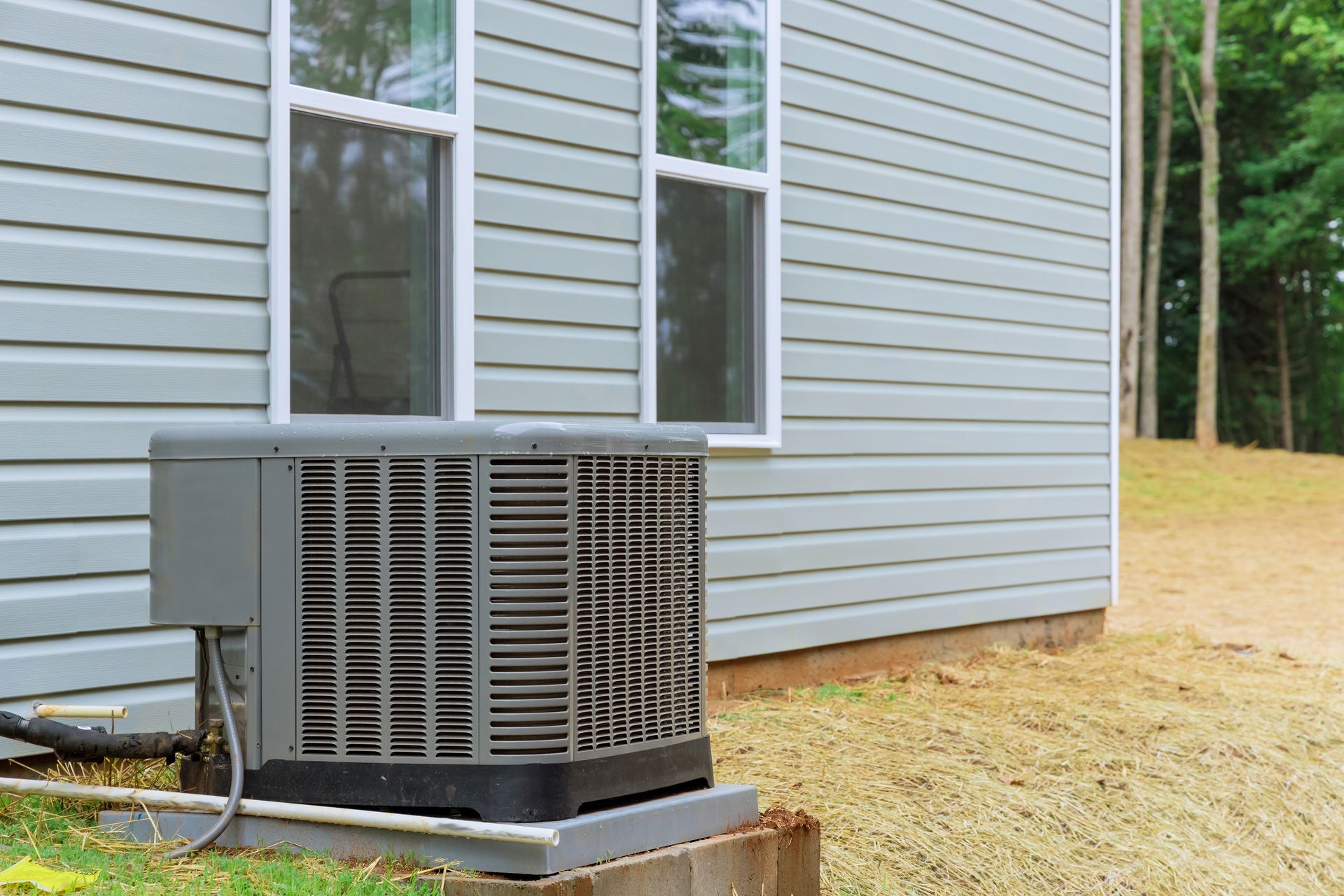
- System brand, model number, and install date (usually on a label on the outdoor unit)
- Specific symptoms: sounds, smells, what the thermostat says versus what temp the room feels
- When the problem started and whether it has happened before
- Any existing warranty or service contract paperwork
If you smell burning or anything that resembles gas, shut the system off at the thermostat, open windows, and call from outside — do not attempt to reset the breaker repeatedly. For general comfort while you wait, use ceiling fans, close blinds on sun-facing windows, and move to the coolest room in the house. Staying hydrated is important if indoor temps are already elevated.
Do not pour water on the outdoor unit, attempt any DIY electrical work, or keep resetting the system hoping it will self-correct. Short-cycling caused by a failing capacitor, for example, can damage the compressor if the system keeps trying to start under load. Letting the system rest until the tech arrives is the safer choice.
Does Houston's Climate Affect Same-Day Timing?
Yes — peak demand windows in Houston directly affect how quickly a same-day slot is available, and knowing these patterns helps you act faster.
The first sustained heat wave of the year, typically arriving in late May or early June, generates a sharp spike in AC repair calls. Systems that sat idle through spring often fail on the first genuinely hot day, flooding dispatch queues. Calling at 7 or 8 a.m. on those days gives you a much better window than calling at 2 p.m. after the queue has filled. The same pattern repeats after winter freezes, when heating systems across the city fail simultaneously.
For context on how your home holds temperature during an outage, how poor insulation makes your home harder to cool is worth reviewing — homes with thin attic insulation lose conditioned air rapidly, which matters both during a failure and after the repair is complete.
What the Technician Checks on Arrival
A same-day diagnostic follows a consistent sequence so no common failure point gets missed, even under time pressure.
The tech starts with thermostat calibration and settings, then checks electrical connections, capacitors, and contactors — the components that fail most often and can usually be swapped same-day. For AC calls, refrigerant levels and the evaporator coil are checked next. For heating calls, the igniter, flame sensor, and heat exchanger get priority attention.
Airflow components — the filter, blower motor, and evaporator coil — are checked on both call types, since restricted airflow can mimic other failures and cause misdiagnosis. The outdoor unit's condenser coils, fan motor, and disconnect box round out the inspection. This sequence is designed to identify the fastest-to-fix issue first, so a capacitor swap is not delayed by a full system teardown.
When Same-Day Repair Is Not Possible
Some repairs cannot be completed the same day, and understanding what that looks like helps you plan rather than be caught off guard.
Parts that commonly cause delays include compressors, heat exchangers, variable-speed blower motors, and proprietary control boards. If the required part is not on the truck, the technician will give you a realistic timeline and explain any temporary measures available, such as getting the system running in a limited mode while the part is sourced.
If the system is too old or damaged to repair economically, the same-day visit still produces a clear assessment and a path to a replacement quote — that information has real value even if the fix cannot happen today. For a seriously uncomfortable interim period, options like portable AC units or a hotel stay are worth considering. Reviewing our service guarantee gives you a clear picture of what to expect if a follow-up visit is needed. Knowing all this in advance keeps the situation manageable rather than open-ended.
A same-day HVAC service call gives you both a diagnosis and a repair path within hours — whether the fix happens that afternoon or requires a return visit with a part, you leave the call knowing exactly what is wrong and what comes next.
Schedule your repair today by reaching out to Texas Same-Day Air Conditioning, Heating & Plumbing and get a technician routed to your home as fast as your ZIP code allows.