
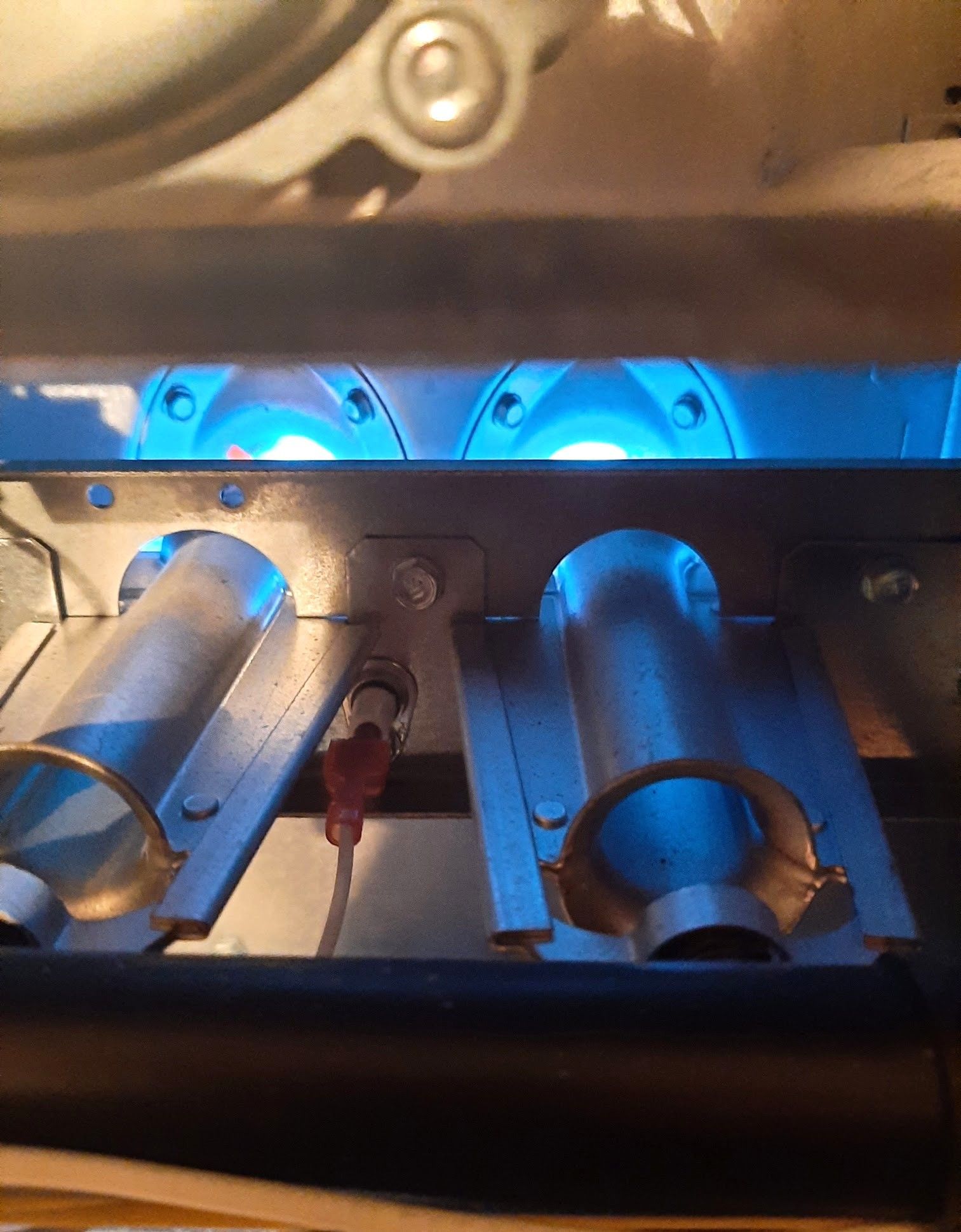
When your furnace turns on and warm air comes through the vents, it’s easy to assume everything is working properly. But heating your home is only part of its job. Your furnace also needs to burn fuel correctly, maintain proper airflow, and safely vent combustion gases outside. A furnace tune-up and safety inspection helps evaluate those functions while addressing routine maintenance needs before colder weather arrives. At Texas Same-Day Air Conditioning, Heating & Plumbing, we look beyond whether your furnace produces heat. We evaluate its operation, check for gas leaks, and test for carbon monoxide so you have a clearer picture of your heating system’s condition. What the Blue Flames in This Photo Tell Us The photo shows predominantly blue flames at the furnace burners. In a properly operating gas furnace, flames should generally be mostly blue and stable. Persistent yellow or orange flames, especially when accompanied by soot or unusual flame behavior, can indicate dirty burners, an improper gas-and-air mixture, or another condition that needs professional evaluation. Trane identifies yellow or uneven flames as possible signs of dirty or obstructed burners. An occasional orange flicker can occur as airborne particles burn off. That is different from flames that remain mostly yellow or orange. Some equipment also permits slight colored tipping, so the flame must be evaluated according to the manufacturer’s specifications. Flame color is a useful clue, but it does not tell the whole story. A blue flame alone cannot rule out a gas leak, confirm proper venting, or establish the condition of the heat exchanger. What’s Involved in a Furnace Tune-Up? A professional tune-up combines preventive maintenance with an evaluation of heating performance and safety. The exact procedures depend on the furnace’s design, condition, and manufacturer’s requirements. Our furnace tune-up and inspection addresses the following areas: Burners and ignition We evaluate how the burners ignite and how the flames behave during operation. We check for buildup, delayed ignition, and unusual flame patterns that may require attention. Flame sensor We inspect the flame sensor and clean it as needed. This component helps the furnace confirm that a flame is present so it can continue operating. Gas leak checks We check gas connections at the furnace for leaks. Producing warm air does not mean every gas connection is leak-free. Carbon monoxide testing We take carbon monoxide readings to help evaluate potential combustion or venting concerns. We consider those readings alongside the furnace’s operating conditions and other inspection findings. Heat exchanger inspection We inspect accessible portions of the heat exchanger for signs of corrosion, deterioration, or damage. This component transfers heat to your indoor air while separating it from combustion gases. Findings may warrant additional testing or further evaluation. Exhaust venting We inspect accessible venting for visible damage, loose connections, and obstructions that could interfere with the removal of combustion gases. Filter, blower, and airflow We check filter condition and inspect accessible blower components for buildup or other concerns. Restricted airflow can contribute to overheating and poor heating performance. Electrical connections and safety controls We inspect accessible electrical connections and evaluate applicable safety controls according to the equipment manufacturer’s procedures. Temperature rise and heating cycle We measure the temperature difference between the air entering and leaving the furnace and compare it with the equipment’s specified range. We also observe a heating cycle to evaluate startup, blower operation, and shutdown. If we find a need for additional cleaning, replacement parts, or repairs, we explain the findings and recommendations before proceeding with additional work. Why Schedule Service When Your Furnace Still Heats? Maintenance gives you an opportunity to address developing issues before they interrupt your comfort. A dirty flame sensor, restricted filter, or ignition problem may need attention even when the furnace still produces heat. A tune-up also provides a chance to evaluate conditions that homeowners cannot assess by adjusting the thermostat or looking at the flame. The U.S. Consumer Product Safety Commission recommends a yearly professional inspection of fuel-burning heating systems, including their chimneys, flues, and vents. For Houston homeowners, scheduling before the first cold front allows time to address any findings before dependable heat becomes essential. Get Your Furnace Ready for Colder Weather The blue flames in this photo show one detail we look for. A complete furnace tune-up and safety inspection goes further—combining routine maintenance with gas leak checks, carbon monoxide testing, and an evaluation of system operation. Contact Texas Same-Day Air Conditioning, Heating & Plumbing to schedule your furnace tune-up and safety inspection. We serve homeowners throughout the Houston area and explain our findings clearly so you can make informed decisions about your heating system. Image alt text: Photo caption: Predominantly blue flames visible at gas furnace burners. Flame appearance is one part of a furnace tune-up and safety inspection, which also includes gas leak checks, carbon monoxide testing, and an evaluation of heating system operation.
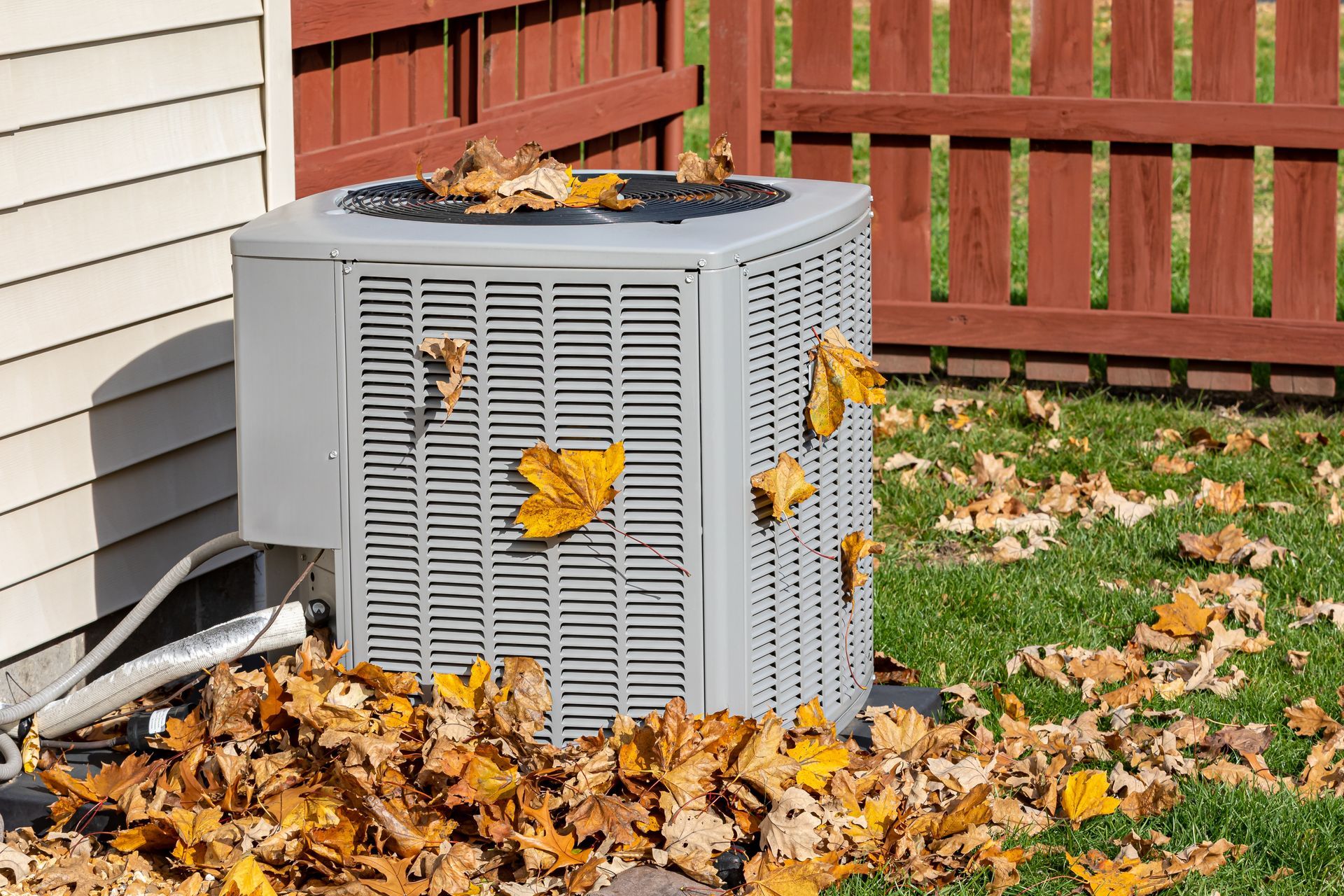
Your AC stopped working in Houston's heat. Find out who qualifies for same-day repair, realistic arrival times, and whether it costs more.
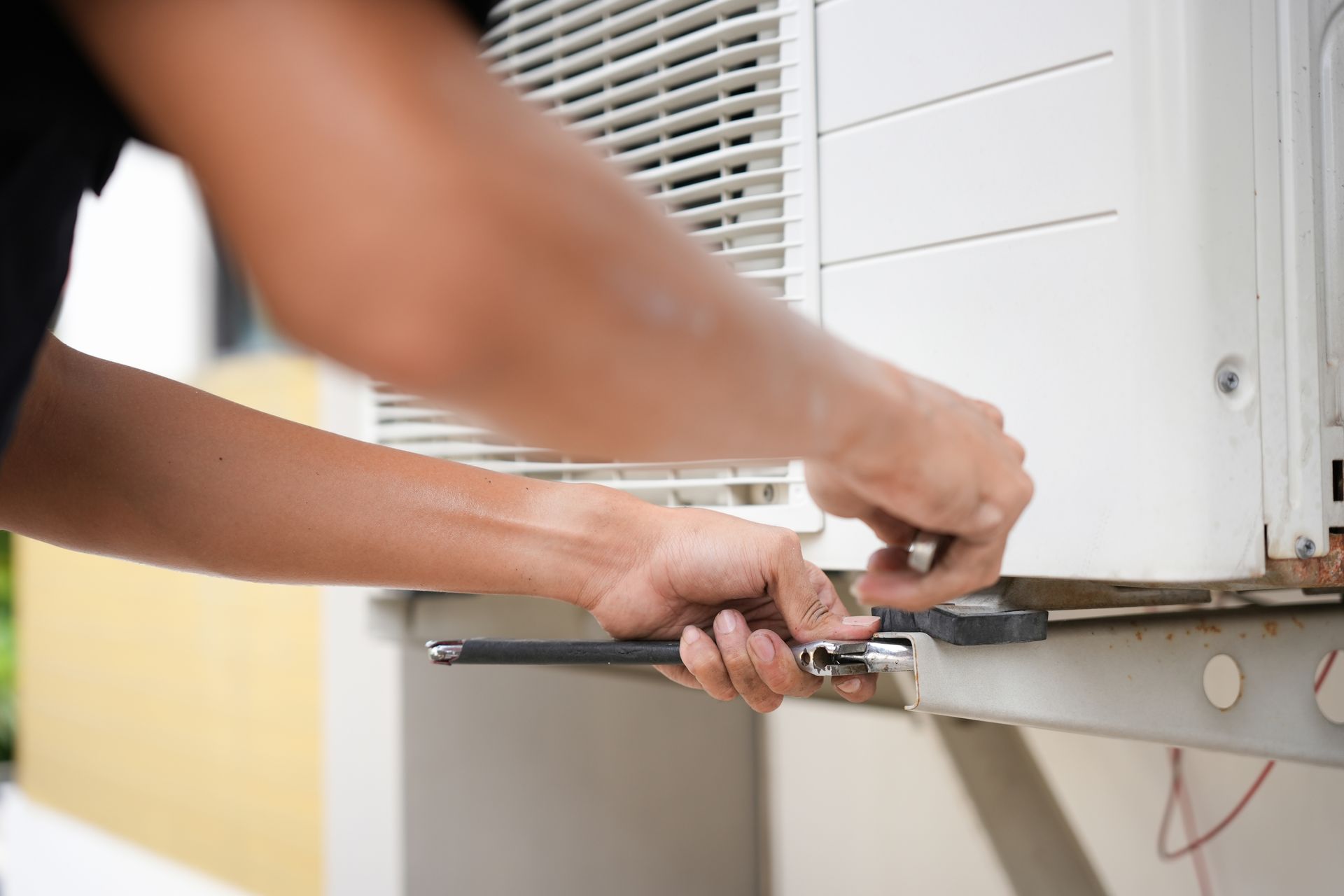
Find out how same-day HVAC dispatch works in Houston, what qualifies as an emergency, and how to prepare before the technician arrives.
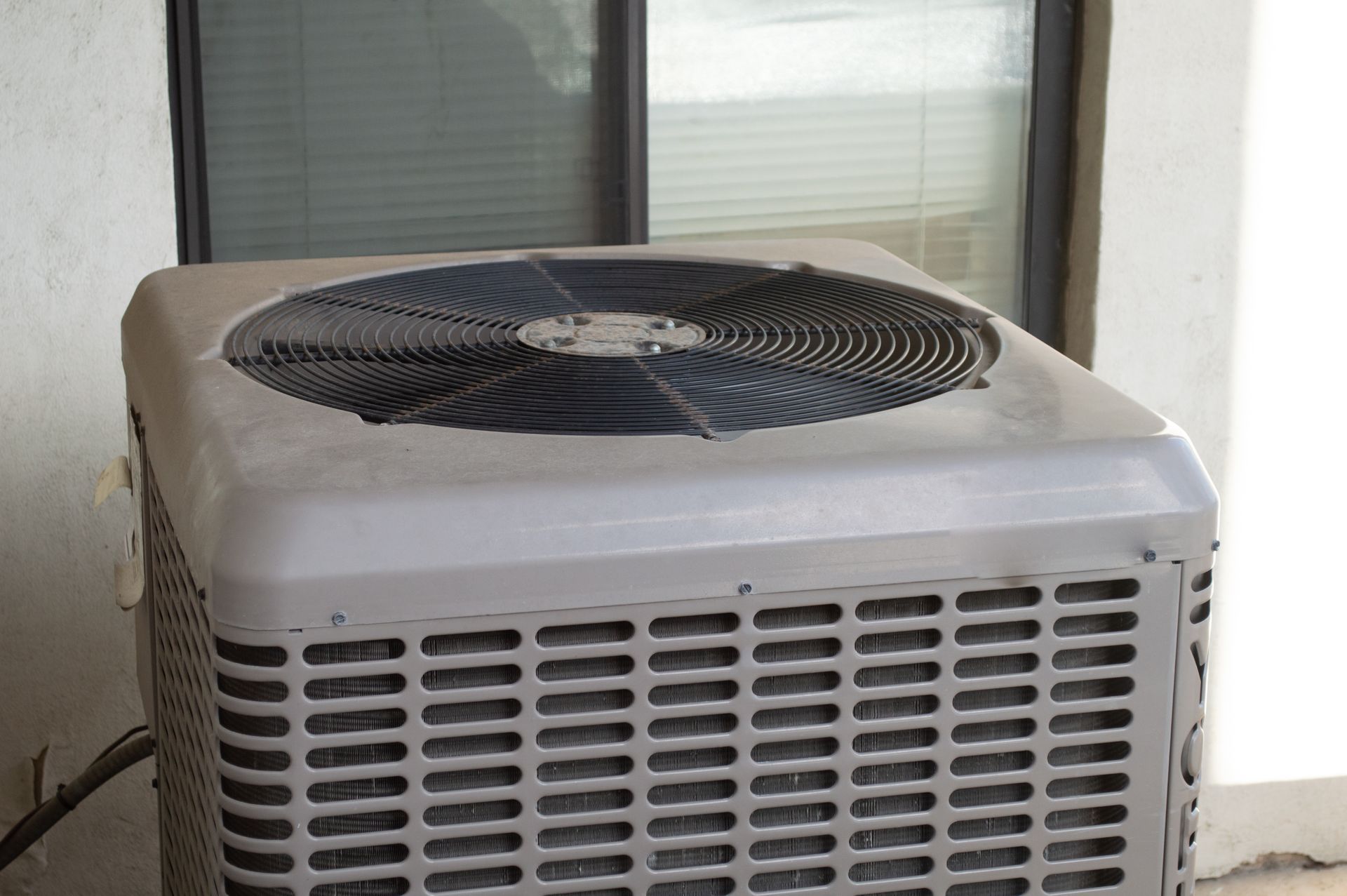
Persistent indoor humidity above 60 percent in Houston homes causes discomfort, mold growth, and respiratory issues that whole-home dehumidifiers effectively control.
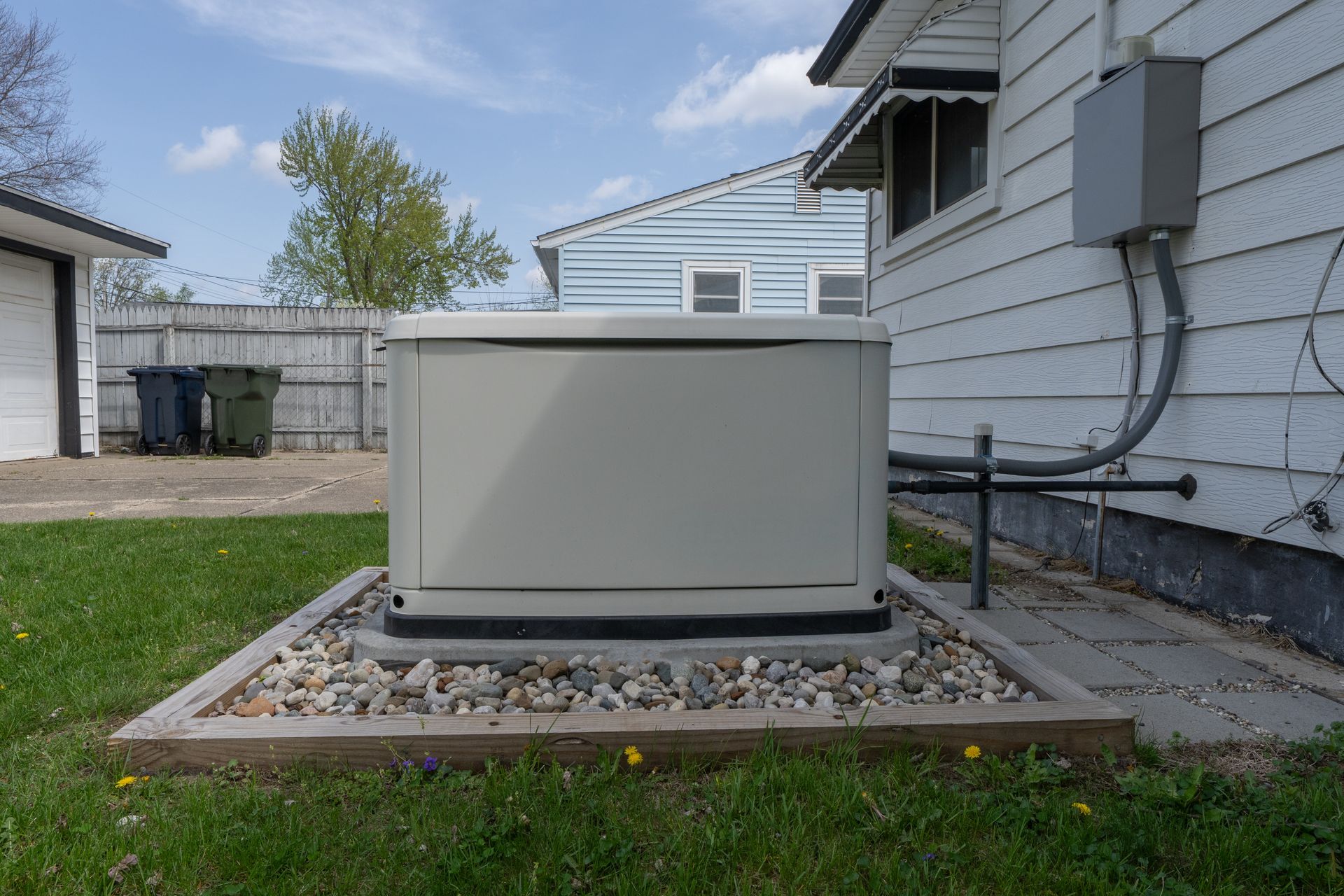
Hurricane season preparation in Houston requires generator installation completed by early May to ensure backup power availability during peak storm months.
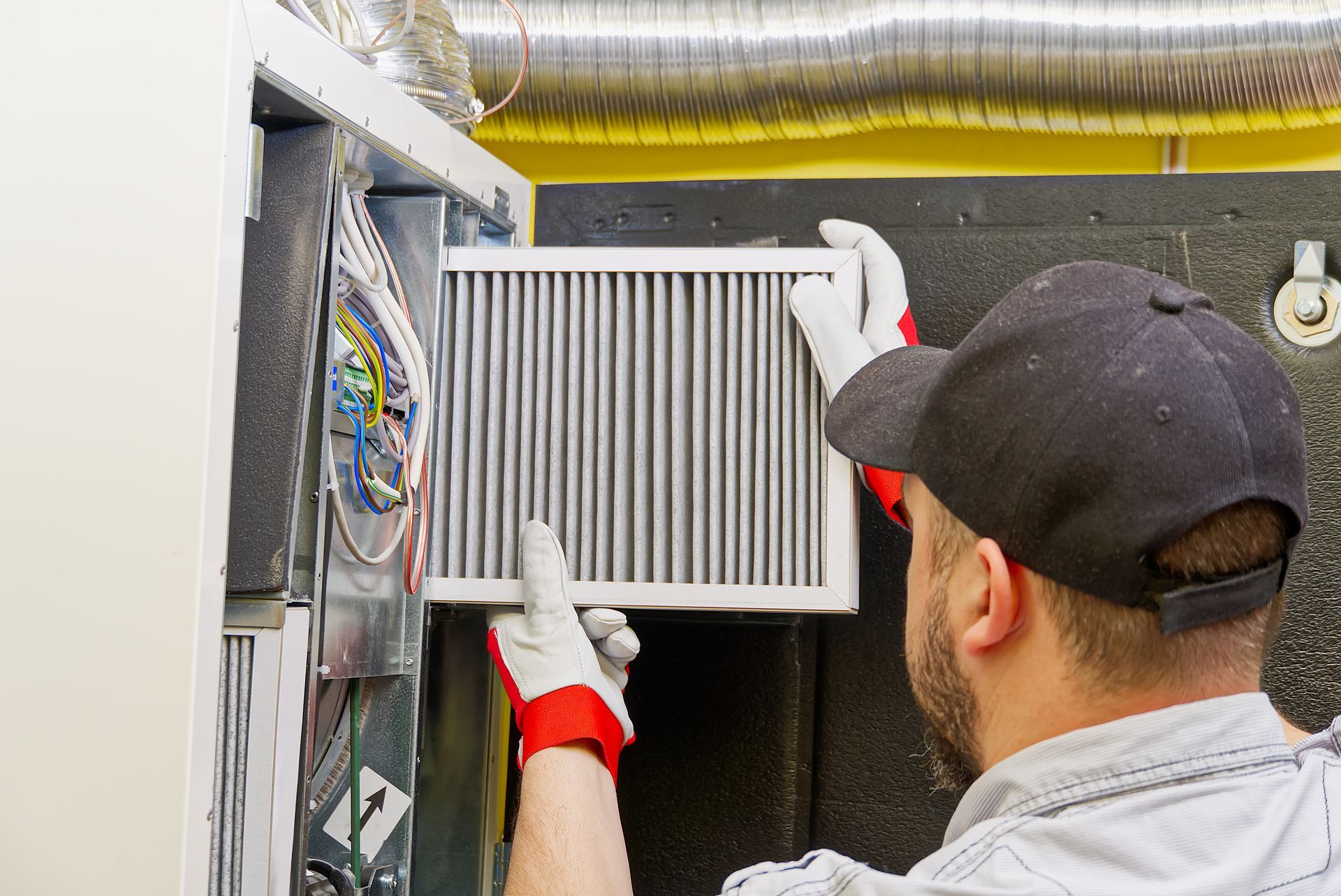
UV air cleaners installed in HVAC systems eliminate airborne pathogens, mold spores, and bacteria, improving indoor air quality for Missouri City families.
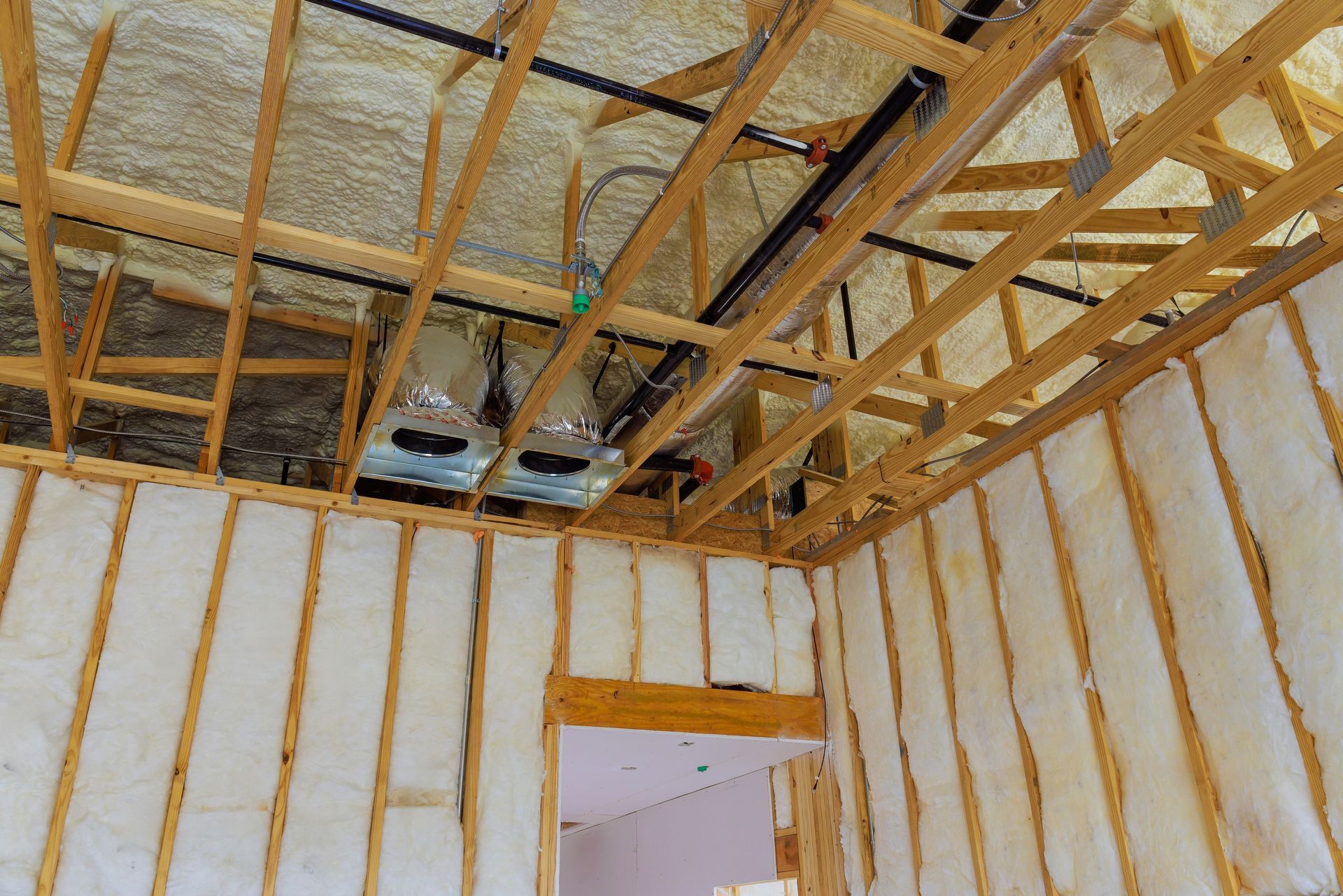
Proper insulation installation in Katy homes reduces HVAC workload, lowers energy costs, and maintains consistent temperatures by preventing heat transfer through walls and attics.
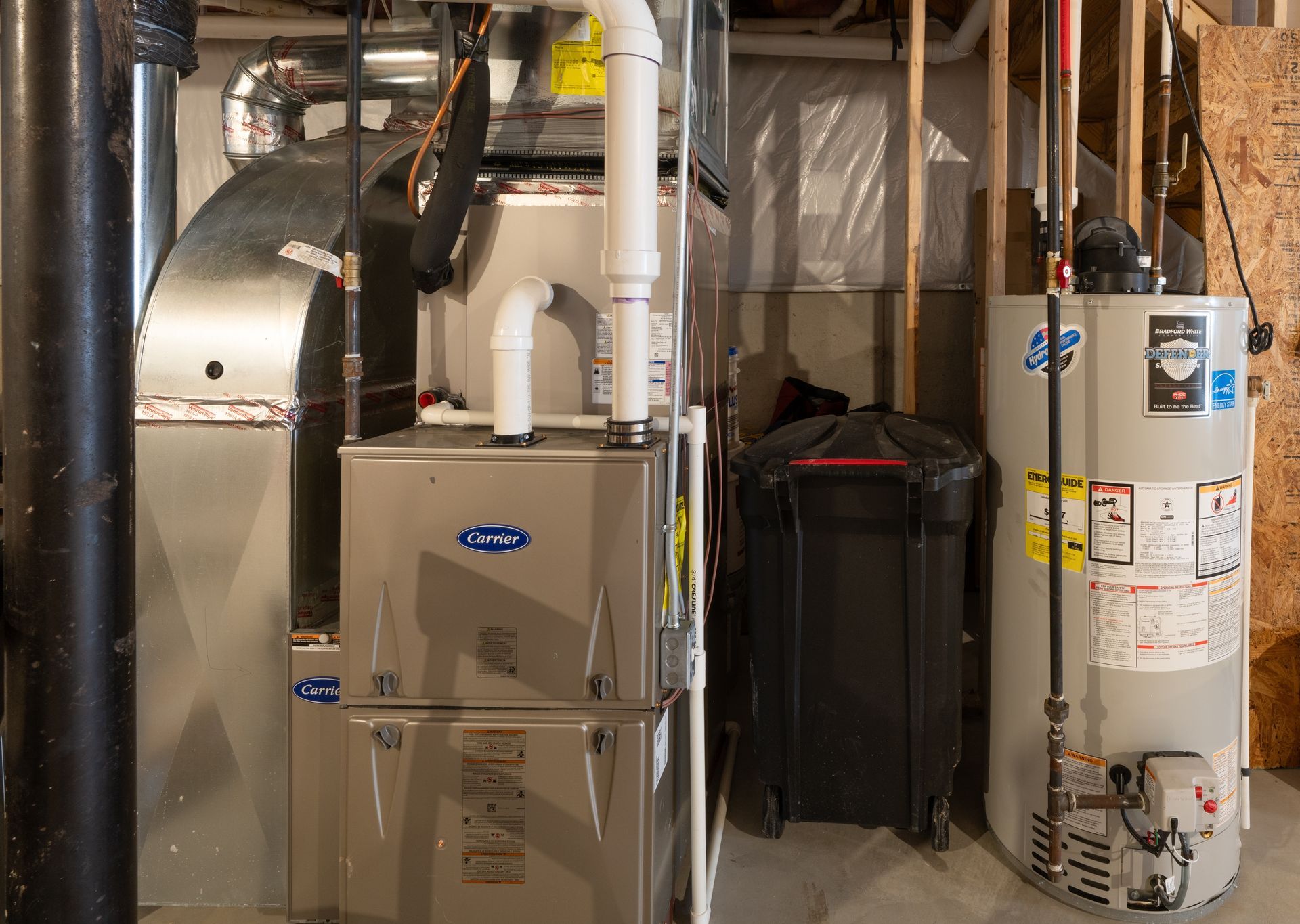
Aging ductwork with extensive leaks, poor insulation, or mold contamination requires full replacement to restore HVAC efficiency and air quality in Sugar Land homes.
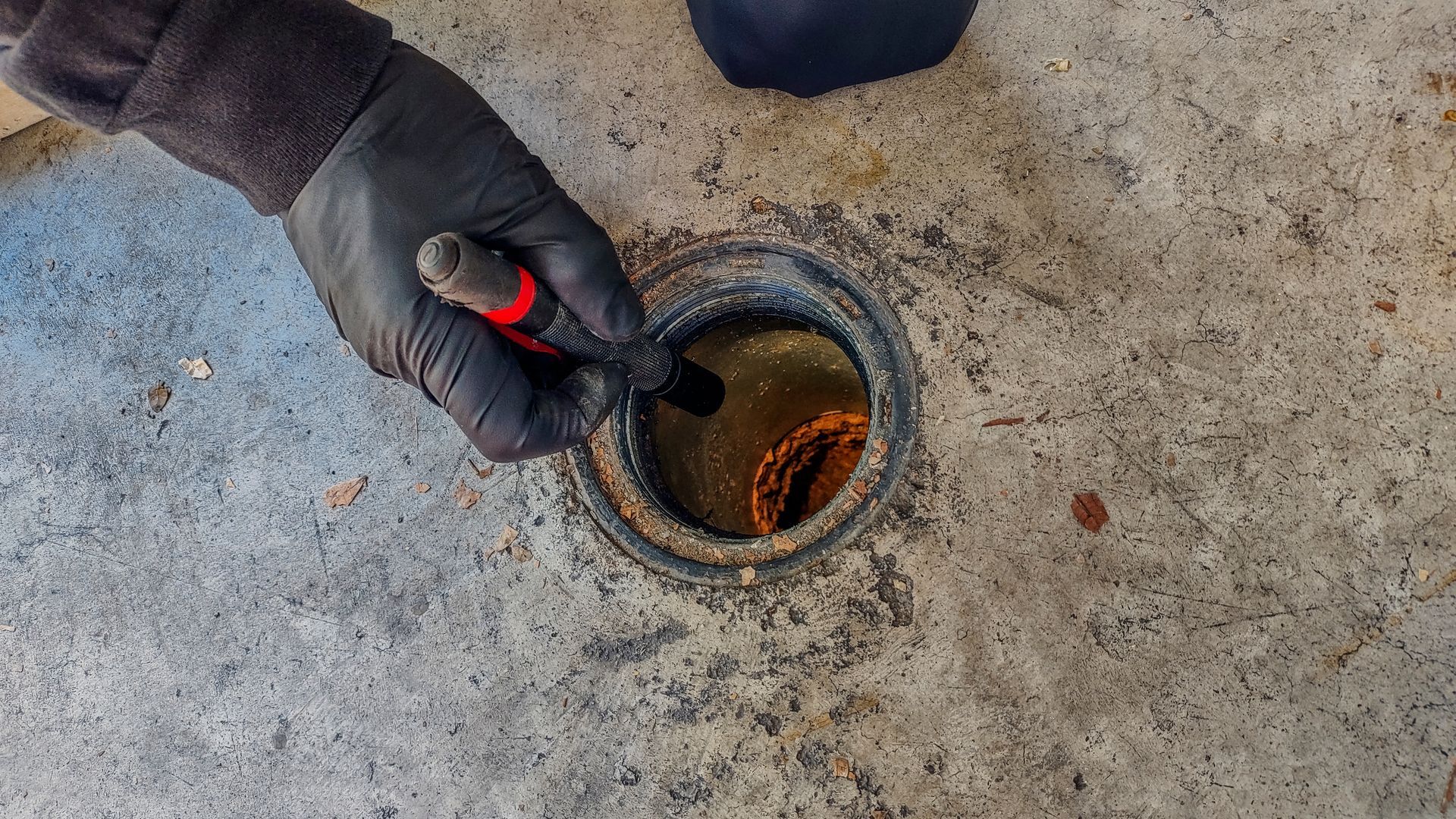
Emergency plumbing services in Katy, TX including leak repairs, pipe replacement, fixture installation, and comprehensive maintenance for your home's plumbing system.
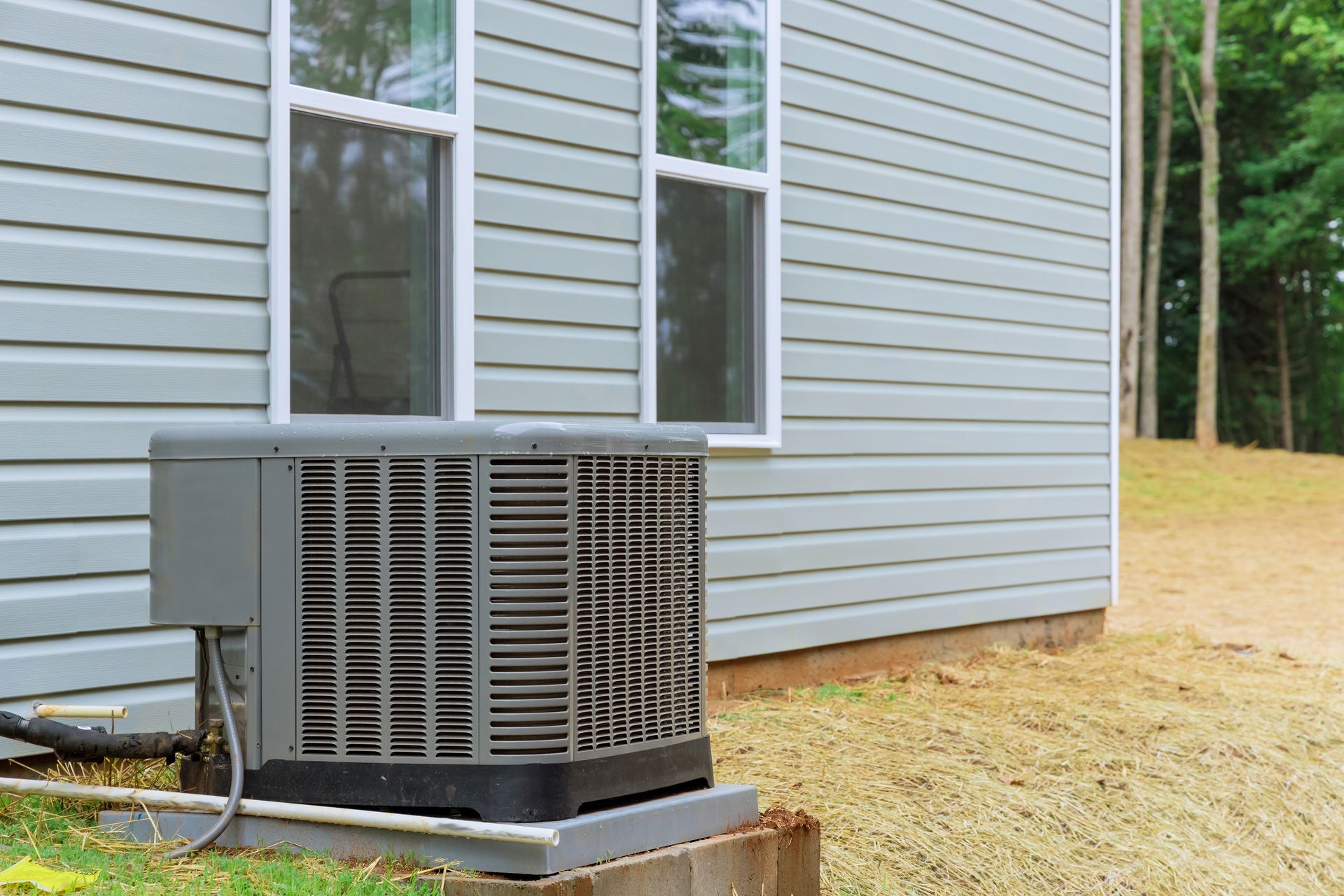
Not sure if you should repair or replace your HVAC? Texas Same-Day Home Services provides expert AC repair, blower motor repair, and system replacement in Houston.