
Is Houston's Humidity Ruining Your Comfort? Signs You Need a Whole-Home Dehumidifier

Texas Same-Day Air Conditioning, Heating & Plumbing • August 11, 2026

Is Houston's Humidity Ruining Your Comfort? Signs You Need a Whole-Home Dehumidifier

Houston's average relative humidity exceeds 75 percent year-round, creating indoor moisture levels that air conditioning alone cannot adequately control. Whole-home dehumidifiers integrate with your HVAC system to remove excess moisture, preventing mold growth, reducing allergens, and improving overall comfort without overcooling your living spaces.

What Indoor Humidity Level Indicates a Problem?

Indoor humidity should stay between 30 and 50 percent for optimal comfort and health, but Houston homes often measure 60 to 70 percent without dedicated dehumidification.

You can measure humidity with an inexpensive hygrometer available at hardware stores. Readings consistently above 55 percent signal that your air conditioner cannot keep pace with moisture infiltration from outside air, cooking, showers, and breathing. High humidity makes 75-degree indoor temperatures feel like 80 degrees because moisture prevents sweat from evaporating efficiently.

Prolonged exposure to high humidity also triggers respiratory issues and worsens asthma symptoms. Dust mites thrive in humid environments, multiplying rapidly when moisture levels exceed 50 percent.

Which Visible Signs Reveal Excess Moisture in Your Home?

Condensation on windows, mirrors, and metal fixtures indicates indoor humidity levels have exceeded the dew point for those surfaces.

Water droplets form when warm, moist air contacts cooler surfaces, creating ideal conditions for mold spores to colonize. Musty odors in closets, bathrooms, and laundry rooms signal active mold growth even when visible colonies have not yet appeared. Peeling wallpaper, bubbling paint, and warped wood floors result from prolonged moisture exposure that degrades building materials.

Damp spots on ceilings and walls often appear near air conditioning vents where cold air meets humid room air. These signs indicate your cooling system removes some moisture but cannot handle Houston's extreme humidity levels.

How Does a Whole-Home Dehumidifier Work With Your HVAC System?

Whole-home dehumidifiers install directly into your ductwork, treating air as it circulates through the HVAC system before reaching living spaces.

The unit pulls moisture from the air using a cold coil that condenses water vapor, then drains the collected water through a dedicated line to your home's plumbing system. Unlike portable dehumidifiers that require daily emptying and treat only single rooms, whole-home units operate automatically based on humidity sensors. They run independently of your air conditioner, removing moisture without forcing you to lower thermostat settings to uncomfortable levels.

This separation prevents the overcooling common in Houston homes where residents drop temperatures to 68 degrees just to reduce humidity. Homeowners seeking to improve indoor air quality in Houston often pair dehumidifiers with air purifiers for comprehensive environmental control.

Can Dehumidifiers Reduce Energy Costs in Humid Climates?

Removing excess humidity allows you to raise thermostat settings by 2 to 4 degrees while maintaining the same comfort level, reducing cooling costs by 10 to 15 percent.

Air conditioners consume significant energy removing moisture because they must overcool air to condense water vapor, then reheat it slightly before distribution. Dedicated dehumidifiers handle moisture removal more efficiently, allowing your AC to focus solely on temperature control. This division of labor extends air conditioner lifespan by reducing runtime and compressor strain.

In Houston's climate, air conditioners often run continuously during summer months just to manage humidity. A whole-home dehumidifier breaks this cycle, creating comfortable conditions with less equipment wear and lower utility bills.

What Health Benefits Come From Controlling Indoor Humidity?

Maintaining humidity between 30 and 50 percent inhibits mold spore germination, dust mite reproduction, and bacteria growth that trigger allergies and respiratory infections.

Mold requires moisture levels above 60 percent to colonize surfaces, so proper dehumidification prevents the hidden growth behind walls and under flooring that causes chronic health issues. Lower humidity also reduces volatile organic compound emissions from furniture, carpets, and building materials because these chemicals off-gas more rapidly in moist conditions.

Respiratory comfort improves immediately when humidity drops to healthy levels. Breathing feels easier, sleep quality increases, and allergy symptoms diminish as airborne irritants decrease. Families with asthma or chronic respiratory conditions notice the most dramatic improvements.

How Do Houston's Seasonal Humidity Patterns Affect Dehumidifier Needs?

Houston experiences peak humidity from May through September when outdoor dew points regularly exceed 70 degrees, creating relentless moisture infiltration into homes.

Even well-sealed homes gain moisture through door openings, ventilation systems, and minor air leaks. Spring and fall bring slightly lower humidity but still require active moisture control because outdoor levels rarely drop below 60 percent. Winter offers the only relief, with occasional dry periods when outdoor humidity falls to 40 percent.

However, indoor activities like cooking and showering still generate moisture that accumulates without proper ventilation. Year-round dehumidification ensures consistent comfort regardless of seasonal variations. Residents can explore duct cleaning options in Houston to improve airflow and enhance dehumidifier effectiveness throughout the home.

Persistent humidity problems require professional assessment to determine the right dehumidifier capacity and installation approach for your home's size and moisture load. Texas Same-Day Air Conditioning, Heating & Plumbing evaluates your indoor environment and recommends solutions that restore comfort and protect your home from moisture damage. Connect with our team at to discuss whole-home dehumidification options.

October 21, 2026
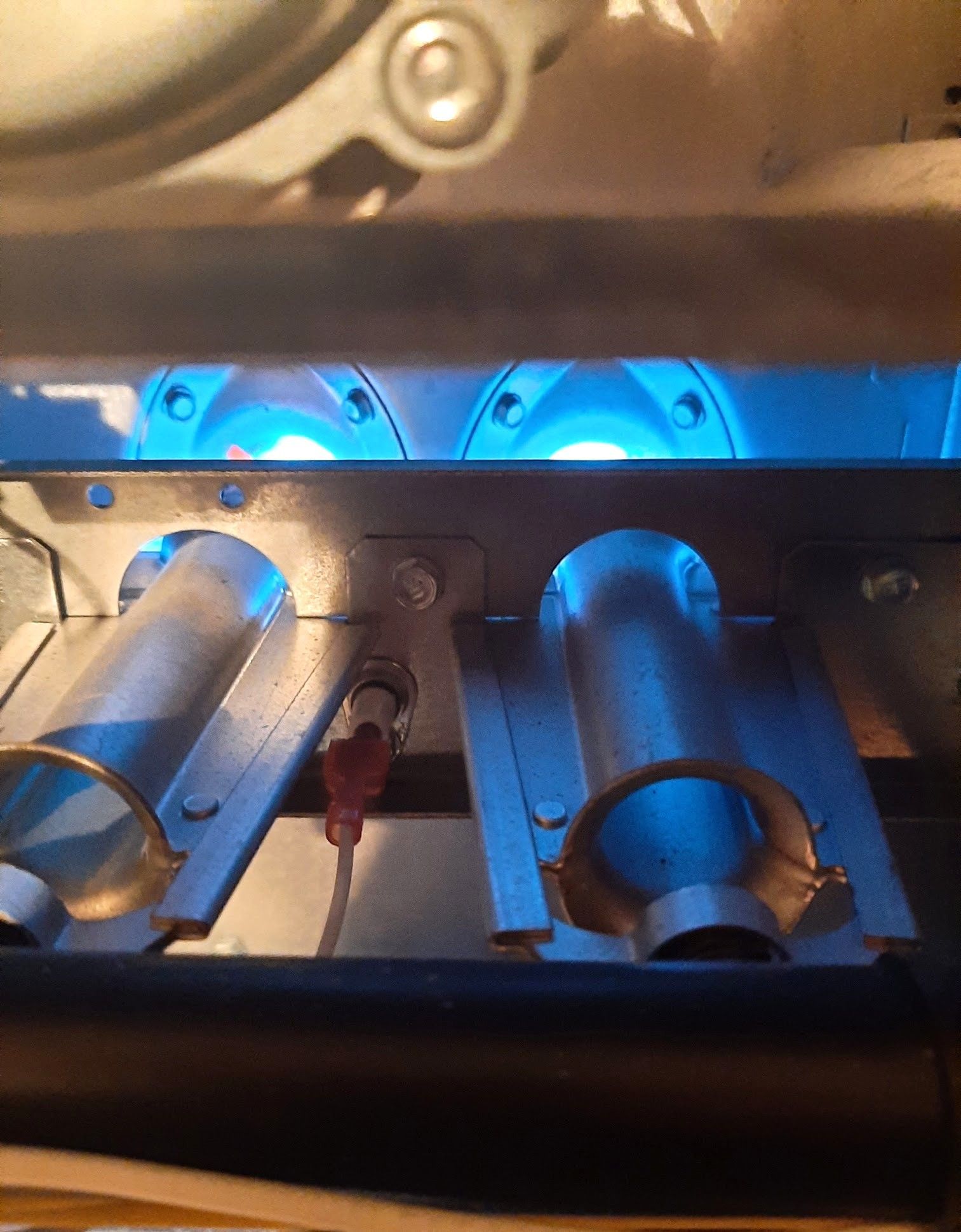
When your furnace turns on and warm air comes through the vents, it’s easy to assume everything is working properly. But heating your home is only part of its job. Your furnace also needs to burn fuel correctly, maintain proper airflow, and safely vent combustion gases outside.  A furnace tune-up and safety inspection helps evaluate those functions while addressing routine maintenance needs before colder weather arrives. At Texas Same-Day Air Conditioning, Heating & Plumbing, we look beyond whether your furnace produces heat. We evaluate its operation, check for gas leaks, and test for carbon monoxide so you have a clearer picture of your heating system’s condition. What the Blue Flames in This Photo Tell Us The photo shows predominantly blue flames at the furnace burners. In a properly operating gas furnace, flames should generally be mostly blue and stable. Persistent yellow or orange flames, especially when accompanied by soot or unusual flame behavior, can indicate dirty burners, an improper gas-and-air mixture, or another condition that needs professional evaluation. Trane identifies yellow or uneven flames as possible signs of dirty or obstructed burners. An occasional orange flicker can occur as airborne particles burn off. That is different from flames that remain mostly yellow or orange. Some equipment also permits slight colored tipping, so the flame must be evaluated according to the manufacturer’s specifications. Flame color is a useful clue, but it does not tell the whole story. A blue flame alone cannot rule out a gas leak, confirm proper venting, or establish the condition of the heat exchanger. What’s Involved in a Furnace Tune-Up? A professional tune-up combines preventive maintenance with an evaluation of heating performance and safety. The exact procedures depend on the furnace’s design, condition, and manufacturer’s requirements. Our furnace tune-up and inspection addresses the following areas: Burners and ignition We evaluate how the burners ignite and how the flames behave during operation. We check for buildup, delayed ignition, and unusual flame patterns that may require attention. Flame sensor We inspect the flame sensor and clean it as needed. This component helps the furnace confirm that a flame is present so it can continue operating. Gas leak checks We check gas connections at the furnace for leaks. Producing warm air does not mean every gas connection is leak-free. Carbon monoxide testing We take carbon monoxide readings to help evaluate potential combustion or venting concerns. We consider those readings alongside the furnace’s operating conditions and other inspection findings. Heat exchanger inspection We inspect accessible portions of the heat exchanger for signs of corrosion, deterioration, or damage. This component transfers heat to your indoor air while separating it from combustion gases. Findings may warrant additional testing or further evaluation. Exhaust venting We inspect accessible venting for visible damage, loose connections, and obstructions that could interfere with the removal of combustion gases. Filter, blower, and airflow We check filter condition and inspect accessible blower components for buildup or other concerns. Restricted airflow can contribute to overheating and poor heating performance. Electrical connections and safety controls We inspect accessible electrical connections and evaluate applicable safety controls according to the equipment manufacturer’s procedures. Temperature rise and heating cycle We measure the temperature difference between the air entering and leaving the furnace and compare it with the equipment’s specified range. We also observe a heating cycle to evaluate startup, blower operation, and shutdown. If we find a need for additional cleaning, replacement parts, or repairs, we explain the findings and recommendations before proceeding with additional work. Why Schedule Service When Your Furnace Still Heats? Maintenance gives you an opportunity to address developing issues before they interrupt your comfort. A dirty flame sensor, restricted filter, or ignition problem may need attention even when the furnace still produces heat. A tune-up also provides a chance to evaluate conditions that homeowners cannot assess by adjusting the thermostat or looking at the flame. The U.S. Consumer Product Safety Commission recommends a yearly professional inspection of fuel-burning heating systems, including their chimneys, flues, and vents. For Houston homeowners, scheduling before the first cold front allows time to address any findings before dependable heat becomes essential. Get Your Furnace Ready for Colder Weather The blue flames in this photo show one detail we look for. A complete furnace tune-up and safety inspection goes further—combining routine maintenance with gas leak checks, carbon monoxide testing, and an evaluation of system operation. Contact Texas Same-Day Air Conditioning, Heating & Plumbing to schedule your furnace tune-up and safety inspection. We serve homeowners throughout the Houston area and explain our findings clearly so you can make informed decisions about your heating system. Image alt text: Photo caption: Predominantly blue flames visible at gas furnace burners. Flame appearance is one part of a furnace tune-up and safety inspection, which also includes gas leak checks, carbon monoxide testing, and an evaluation of heating system operation.
By Texas Same-Day Air Conditioning, Heating & Plumbing • September 23, 2026
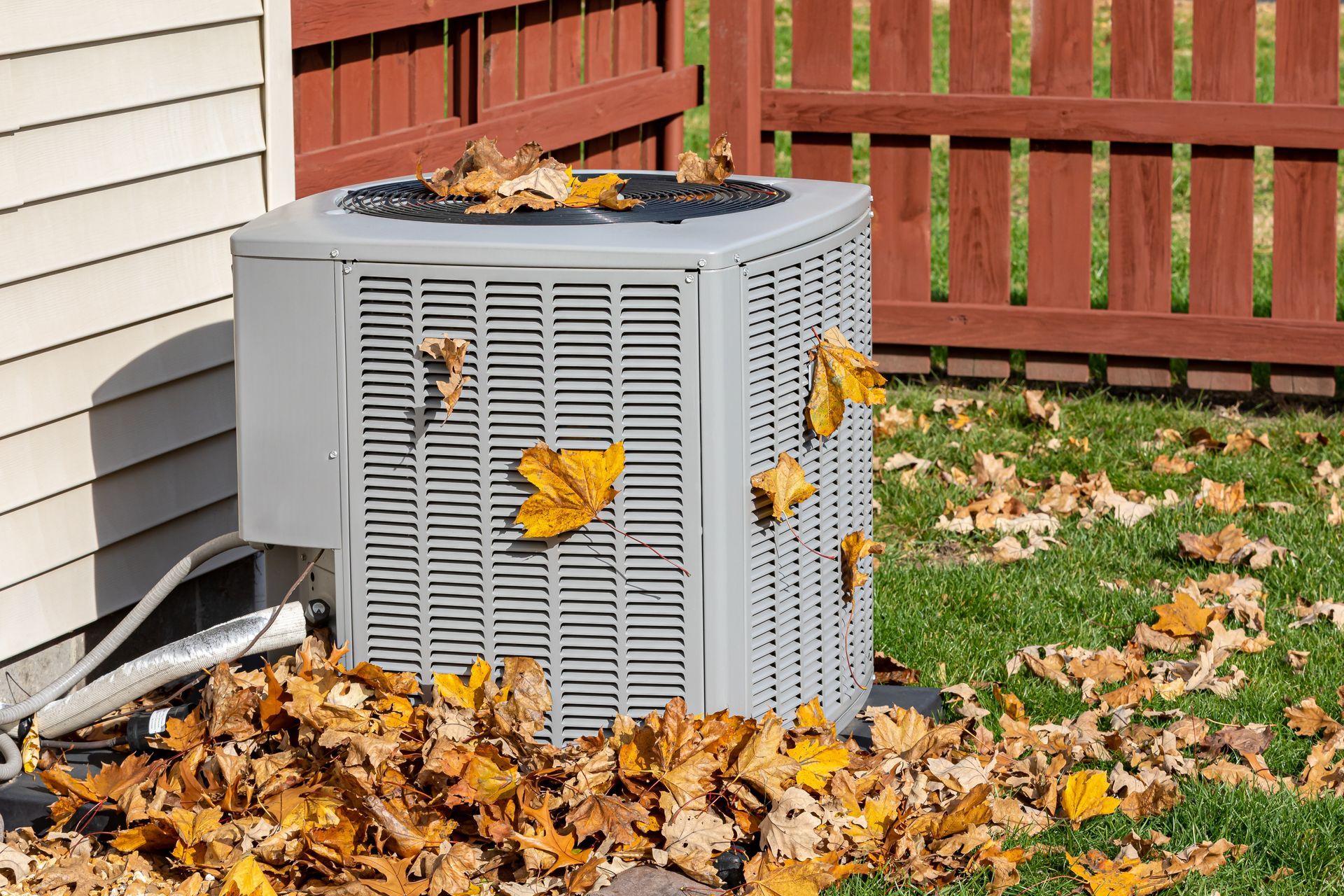
Your AC stopped working in Houston's heat. Find out who qualifies for same-day repair, realistic arrival times, and whether it costs more.
transparent gif
By Texas Same-Day Air Conditioning, Heating & Plumbing • September 11, 2026
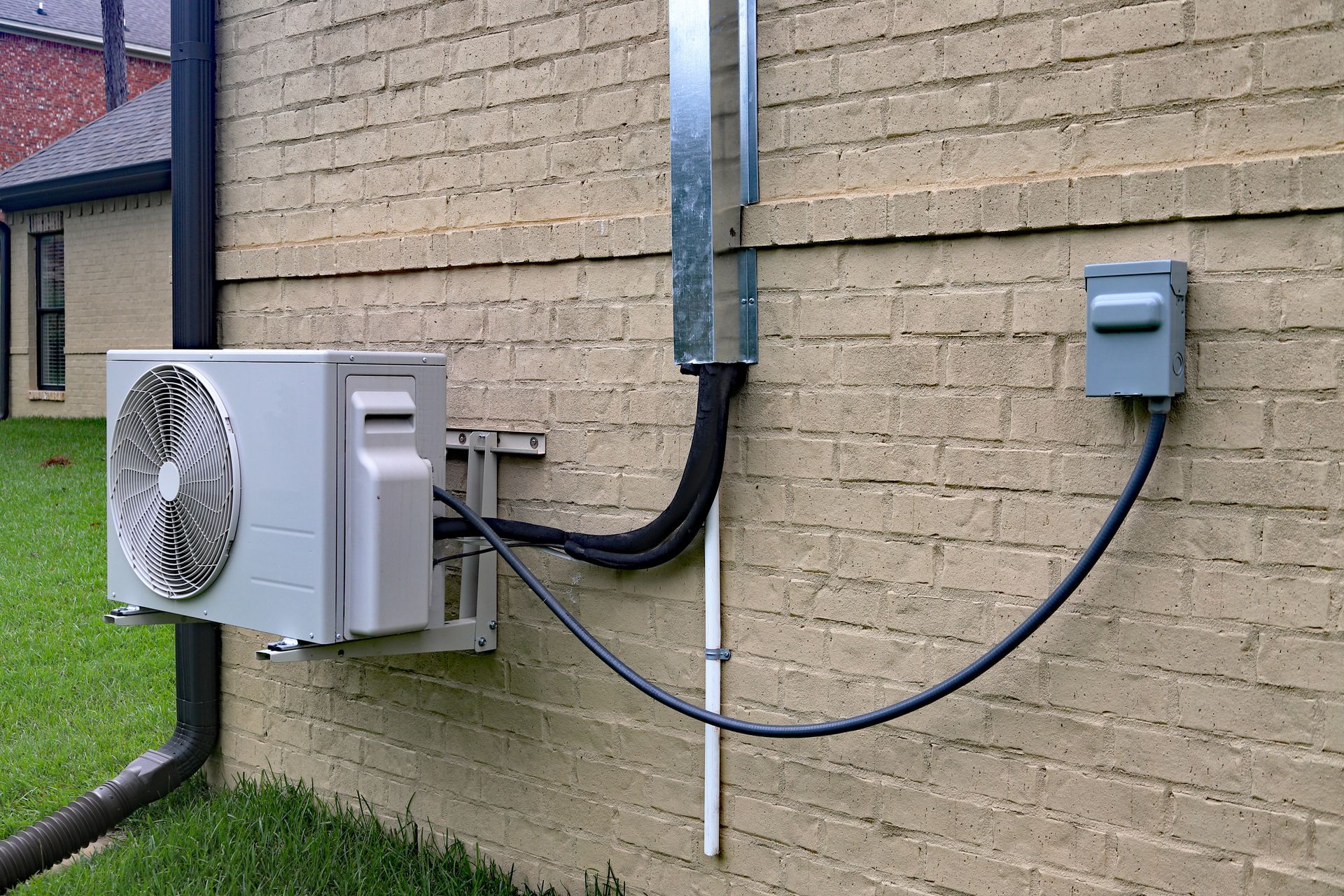
Mini split and central air systems each offer distinct advantages for Houston homes depending on layout, efficiency goals, and cooling zone needs.
By Texas Same-Day Air Conditioning, Heating & Plumbing • August 14, 2026
Find out how same-day HVAC dispatch works in Houston, what qualifies as an emergency, and how to prepare before the technician arrives.
transparent gif
By Texas Same-Day Air Conditioning, Heating & Plumbing • July 11, 2026
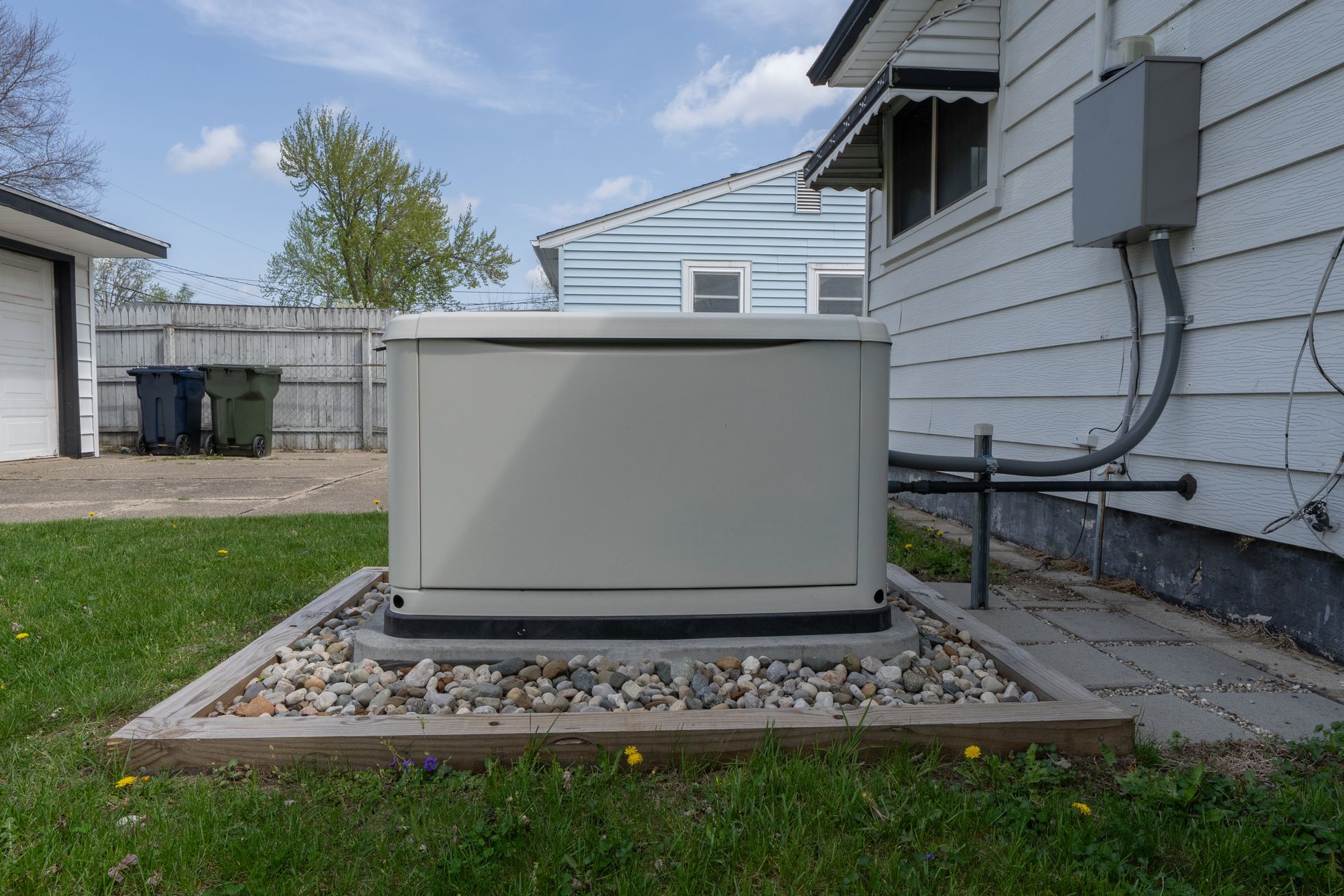
Hurricane season preparation in Houston requires generator installation completed by early May to ensure backup power availability during peak storm months.
transparent gif
By Texas Same-Day Air Conditioning, Heating & Plumbing • June 11, 2026
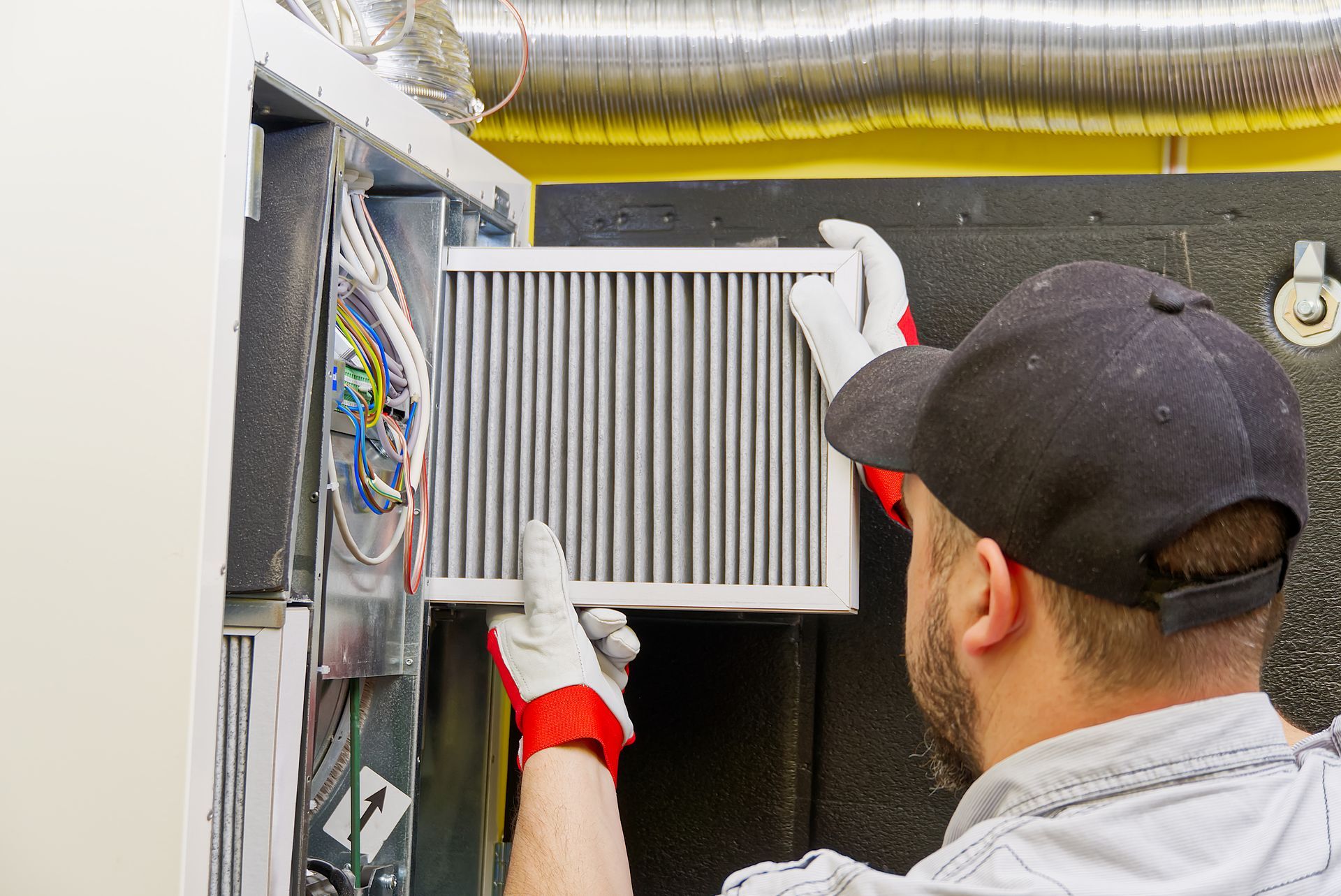
UV air cleaners installed in HVAC systems eliminate airborne pathogens, mold spores, and bacteria, improving indoor air quality for Missouri City families.
transparent gif
By Texas Same-Day Air Conditioning, Heating & Plumbing • June 11, 2026
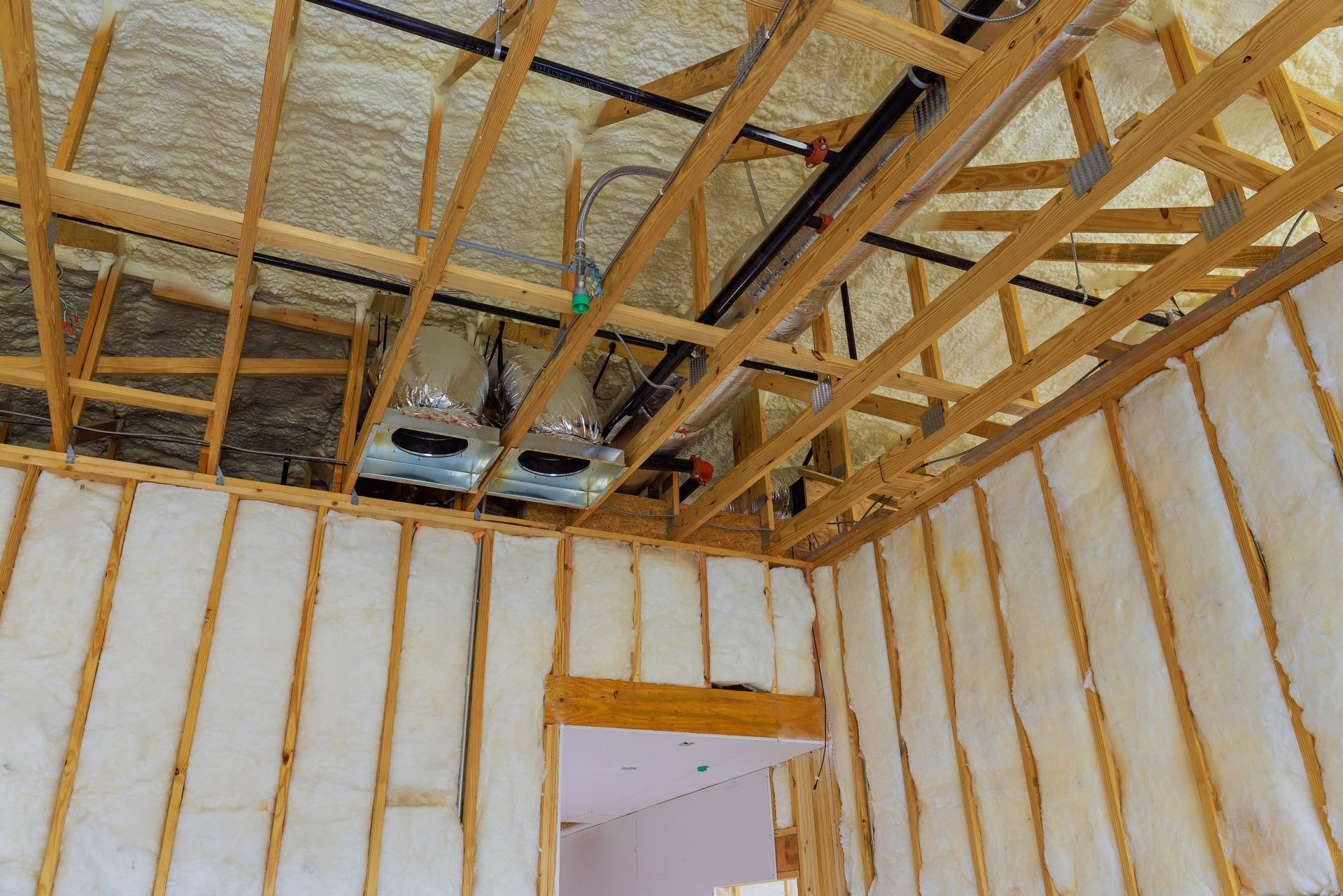
Proper insulation installation in Katy homes reduces HVAC workload, lowers energy costs, and maintains consistent temperatures by preventing heat transfer through walls and attics.
transparent gif
By Texas Same-Day Air Conditioning, Heating & Plumbing • June 11, 2026
Aging ductwork with extensive leaks, poor insulation, or mold contamination requires full replacement to restore HVAC efficiency and air quality in Sugar Land homes.
Gloved hand using a red tool near an open manhole on concrete pavement
By Texas Same-Day Air Conditioning, Heating & Plumbing • March 24, 2026
Emergency plumbing services in Katy, TX including leak repairs, pipe replacement, fixture installation, and comprehensive maintenance for your home's plumbing system.
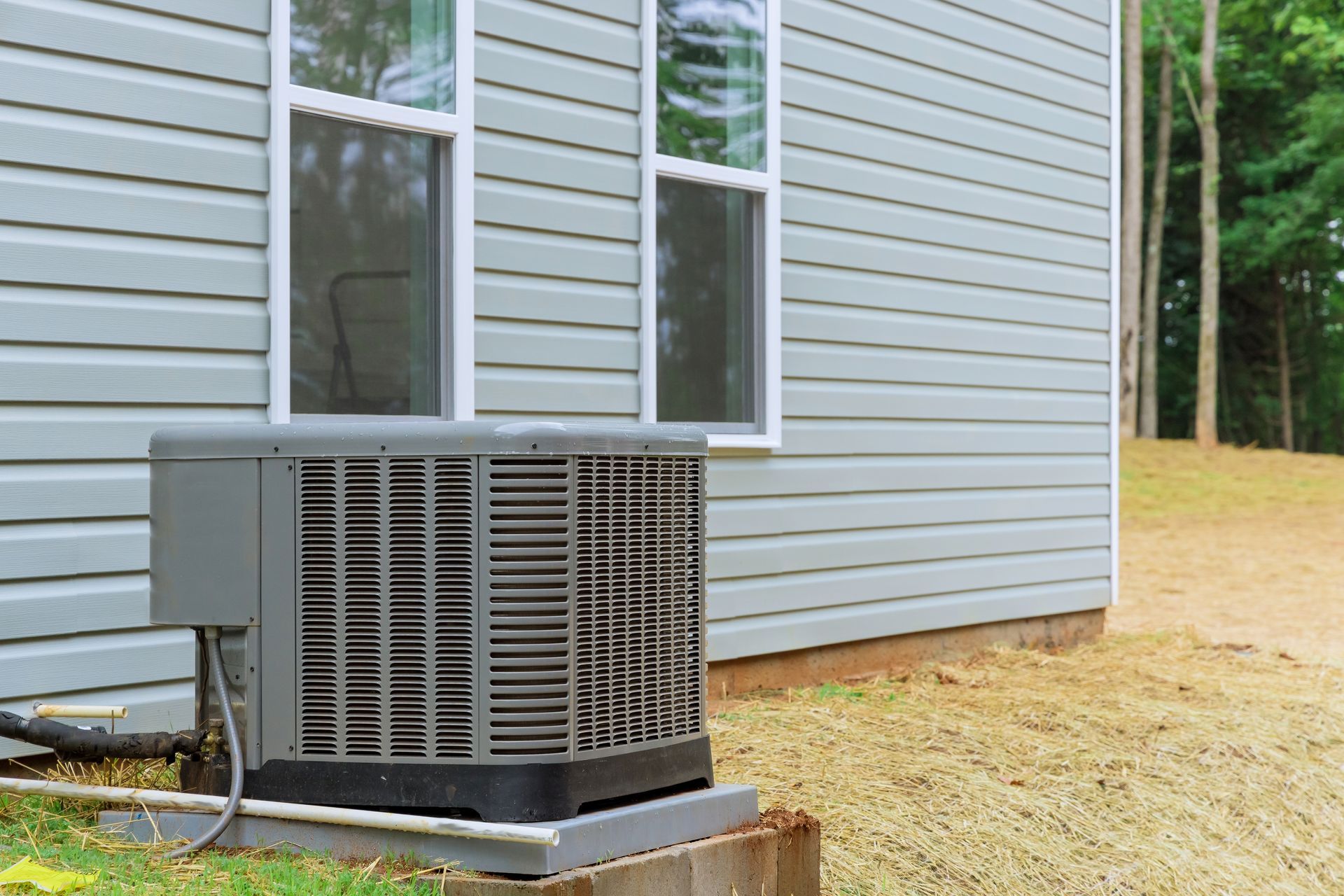
Outdoor HVAC condenser beside a gray house with windows, on a concrete pad near a grassy yard.
March 5, 2026
Not sure if you should repair or replace your HVAC? Texas Same-Day Home Services provides expert AC repair, blower motor repair, and system replacement in Houston.

Show More